
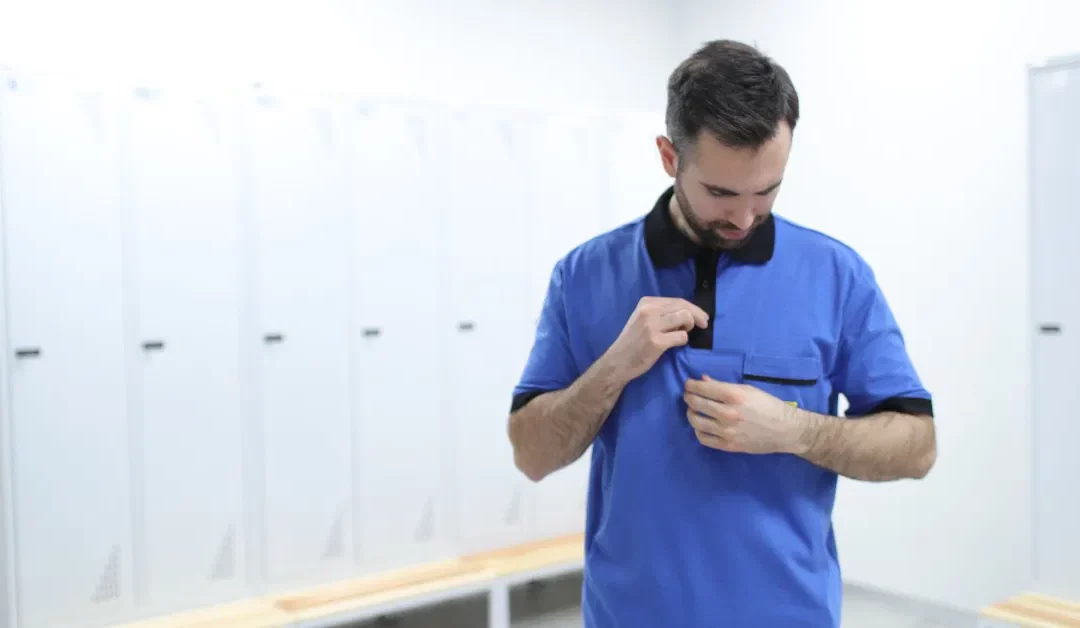
Every ESD-protected area (EPA), regardless of the season, requires strict adherence to electrostatic discharge protection protocols. However, environmental conditions change with the seasons, posing new challenges for both employees and employers. So how can one ensure full protection of sensitive electronic components during warmer months without compromising employee comfort.
Let’s begin with the fact that environmental parameters such as relative humidity and temperature directly affect the behavior of electrostatic charges in the workspace. In winter or air-conditioned environments, where the air tends to be dry, materials are more prone to becoming electrostatically charged, increasing the risk of discharges. Conversely, in summer, when humidity levels are higher, the environment’s natural conductivity improves, which facilitates charge dissipation. Still, even favorable conditions do not guarantee safety—within an EPA, even the slightest uncontrolled discharge can damage an electronic component, potentially costing hundreds or thousands of zlotys. That’s why maintaining continuous and complete ESD protection is crucial—uninterrupted and consistent, regardless of the season.

Challenges that shouldn’t be overlooked
With the arrival of spring comes one of the most underestimated risks in EPA management: employee thermal comfort. Traditional ESD garments—long-sleeve lab coats, sweatshirts, or trousers made of heavier materials—are designed with effectiveness in mind, not thermal ergonomics. Synthetic fabrics blended with conductive fibers may provide necessary protection, but they often lack breathability, especially in higher temperatures. The clothing becomes tight, traps moisture, intensifies stuffiness, and may even lead to body overheating.
Sweating, a natural bodily response, becomes problematic in the workplace: a sweaty worker feels clear discomfort, fabric may cling to the skin, causing chafing or even allergic reactions, especially when the clothing is worn directly against the body. Moisture can also temporarily alter the electrostatic properties of the fabric, which in extreme cases reduces the effectiveness of ESD protection. What’s more, excessive perspiration distracts workers and may lead to unconscious violations of procedures: employees start unbuttoning their coats, rolling up sleeves, or even removing their ESD garments completely during breaks—actions that can seriously compromise the production process.
Another challenge is choosing appropriate base layers under ESD garments. In spring and summer, many employees, trying to cool down, forgo base clothing and wear ESD coats directly on their skin, which can lead to irritation and faster wear of the garments. Others opt for synthetic shirts, which not only increase the risk of charge buildup but also amplify the greenhouse effect. It’s not uncommon for employees in warm months to reach for unauthorized substitutes—light sports jackets, regular T-shirts, or cotton shirts with no ESD protection whatsoever. This mistake often stems not from bad intentions but from the lack of available certified alternatives.
Unfortunately, even the best ESD training won’t be effective if an employee is forced to choose between component safety and their own physical comfort. High temperatures in a production hall can quickly shift priorities—comfort and ergonomics are not merely “soft” issues; they are real factors impacting productivity, adherence to procedures, and the final quality of the product.
Why ESD t-shirts should be the standard in warm seasons
The solution is not to relax or temporarily suspend procedures—but to implement dedicated spring-summer clothing, such as certified ESD T-shirts. Shirts, especially short-sleeved polos made from lightweight antistatic knitwear, are a full-fledged part of EPA protection that also meets key ergonomic requirements. Worn directly against the body, they ensure proper contact between the fabric and the skin surface, allowing for effective grounding of the user. Their shorter sleeves and airy fit allow for natural ventilation, reducing sweating and discomfort during long shifts.
ESD T-shirts not only prevent overheating but also eliminate the need for multiple clothing layers. As a result, employees are less likely to make independent decisions to replace protective clothing or take risky actions that could undermine discharge protection. From a psychological standpoint, clothing designed specifically for spring and summer sends a clear message: the company cares about the team’s comfort and safety, and complying with ESD standards does not mean sacrificing convenience.
Equally important, lighter ESD clothing makes it easier to implement ESD protection systems in companies that are just starting to build their EPA environments. They are simple to adopt, require no additional layers, and need no complex usage instructions. Paired with conductive footwear or a wrist strap, they offer a basic protective set that can be scaled and expanded as the production facility grows.
For organizations that already have comprehensive ESD systems, introducing summer shirt variants is a natural step toward optimizing resource use and increasing energy efficiency. Lighter materials, less frequent need to wash thick coats, and quicker changing times—these factors contribute not only to employee comfort but also to operational savings. With proper inventory and garment rotation management, it’s possible to create a seasonal clothing system that dynamically responds to the changing microclimate conditions in the facility.



REECO’s lightweight solutions for hot days
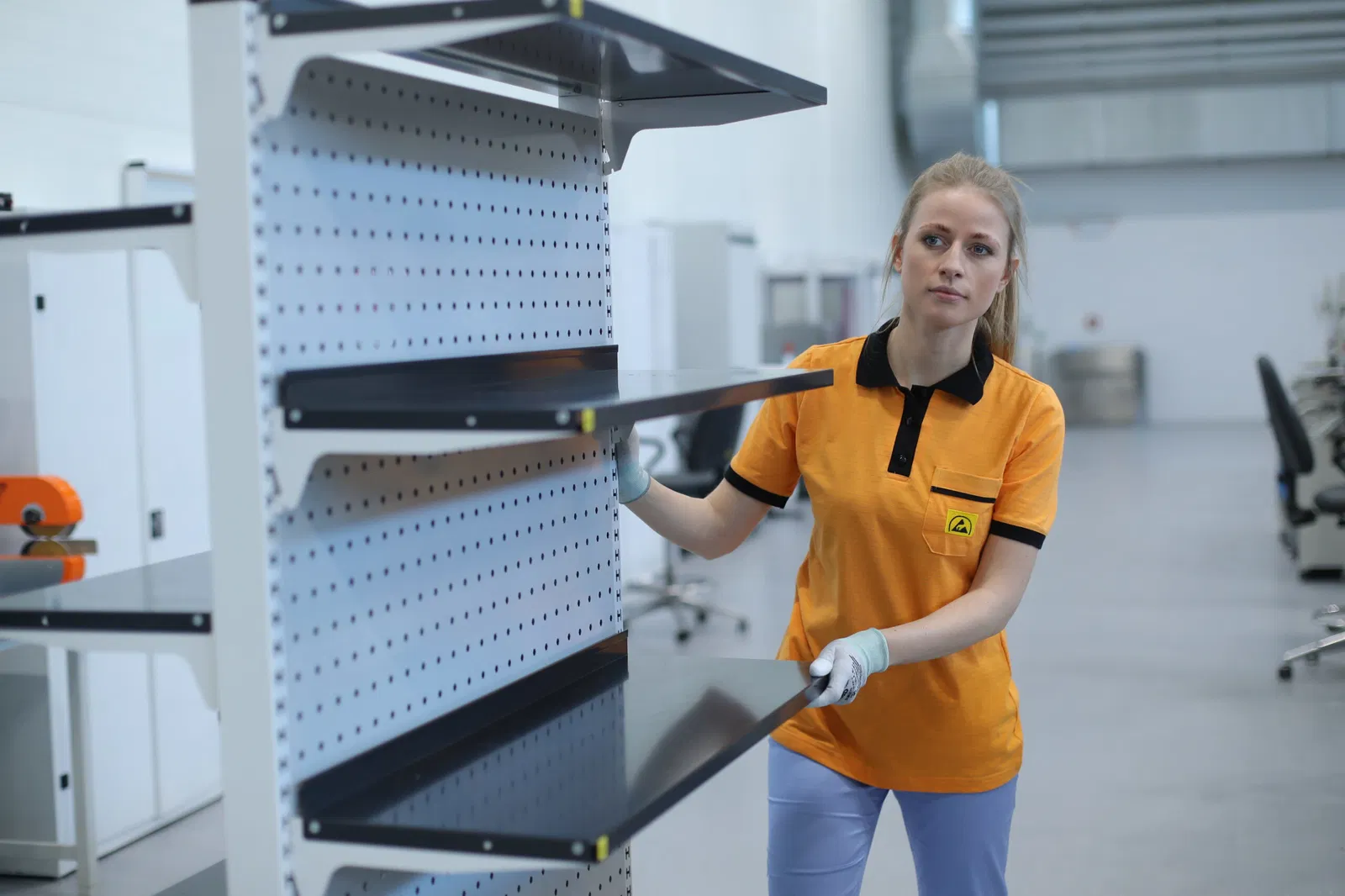
The REECO brand, part of the RENEX Group, fully understands the needs of modern production environments where ESD protection must coexist with workplace ergonomics and comfort. That’s why a summer ESD clothing line was developed in response to seasonal challenges, with a special focus on antistatic T-shirts—available in both polo and classic cuts.
REECO’s summer collection is the result of designing garments based on standards PN–EN 1149–5:2009, PN–EN 13688, PN–EN 61340–5–1, user needs, and the specifics of working in EPAs under elevated temperatures. The main objective? To provide full antistatic protection without compromising on comfort, hygiene, or aesthetics.
The first distinctive feature of REECO’s summer line is the use of lightweight conductive fabrics. The T-shirts are made from low-weight knits combining cotton with carbon fiber. Cotton provides natural breathability and moisture absorption, while the conductive fibers, woven at regular intervals into the fabric’s structure, create a mesh that effectively dissipates electrostatic charges.

This solution allows the wearer to stay comfortable even during long shifts in high heat. What’s more, the fabric doesn’t stick to the skin—even when sweating—and its structure remains breathable regardless of movement intensity. Thanks to the optimal distribution of conductive fibers, the material retains its ESD properties even after multiple washes—which is especially important during summer months, when garments require more frequent changes.
Another key aspect is the ergonomic cut. REECO shirts are available in both classic and polo versions, with short sleeves and a carefully adjusted torso length—so they don’t expose the body during bending or working overhead. The sleeves are loose yet fit well on the shoulder, and the collars don’t put pressure on the neck. Combined with a lightweight neckline in the polo version, this allows the skin to breathe freely. This is especially important in environments where employees spend many hours either stationary or in constant motion—such as on assembly lines, PCB testing, component packaging, or service repairs.
The final—but equally important—factor is durability. REECO garments are sewn with intensive industrial use in mind. Seams are reinforced in stress-prone areas, and the fabrics are resistant to fading and stretching. The clothes are designed for daily rotation while maintaining high quality throughout the season.
Summary
Introducing summer variants of ESD garments—such as REECO polo shirts and T-shirts—is not a matter of convenience, but a strategic element of building a responsible work environment in the electronics manufacturing sector. As temperatures rise in production halls and humidity becomes unstable, the standard approach to protective clothing becomes insufficient. Failing to adapt to seasonal conditions leads to reduced compliance with procedures, increased error risk, and a threat to the safety of ESD-sensitive components.
Summer ESD garments—especially REECO’s lightweight, ergonomic shirts—combine full technological functionality with high user comfort. Certified fabrics, optimized cuts, and wide size availability make these solutions easily implementable in any EPA-equipped company, regardless of scale. Moreover, their use affects not only operational efficiency but also employee motivation and engagement.
In the long term, adopting a seasonal approach to protective clothing aligns with the philosophy of continuous improvement. It’s a step toward better work organization, greater process quality control, and real savings—in both energy and reduced production errors. So it’s worth asking not if, but when to modernize your ESD clothing fleet—and why not start today?